
State compliance · Texas
Building data centers in Texas? Here is why subcontractor compliance is your biggest risk.
Texas has 140+ data center projects in the pipeline, hundreds of subs per job, and a workers' comp system unlike any other state. One uninsured sub is all it takes.
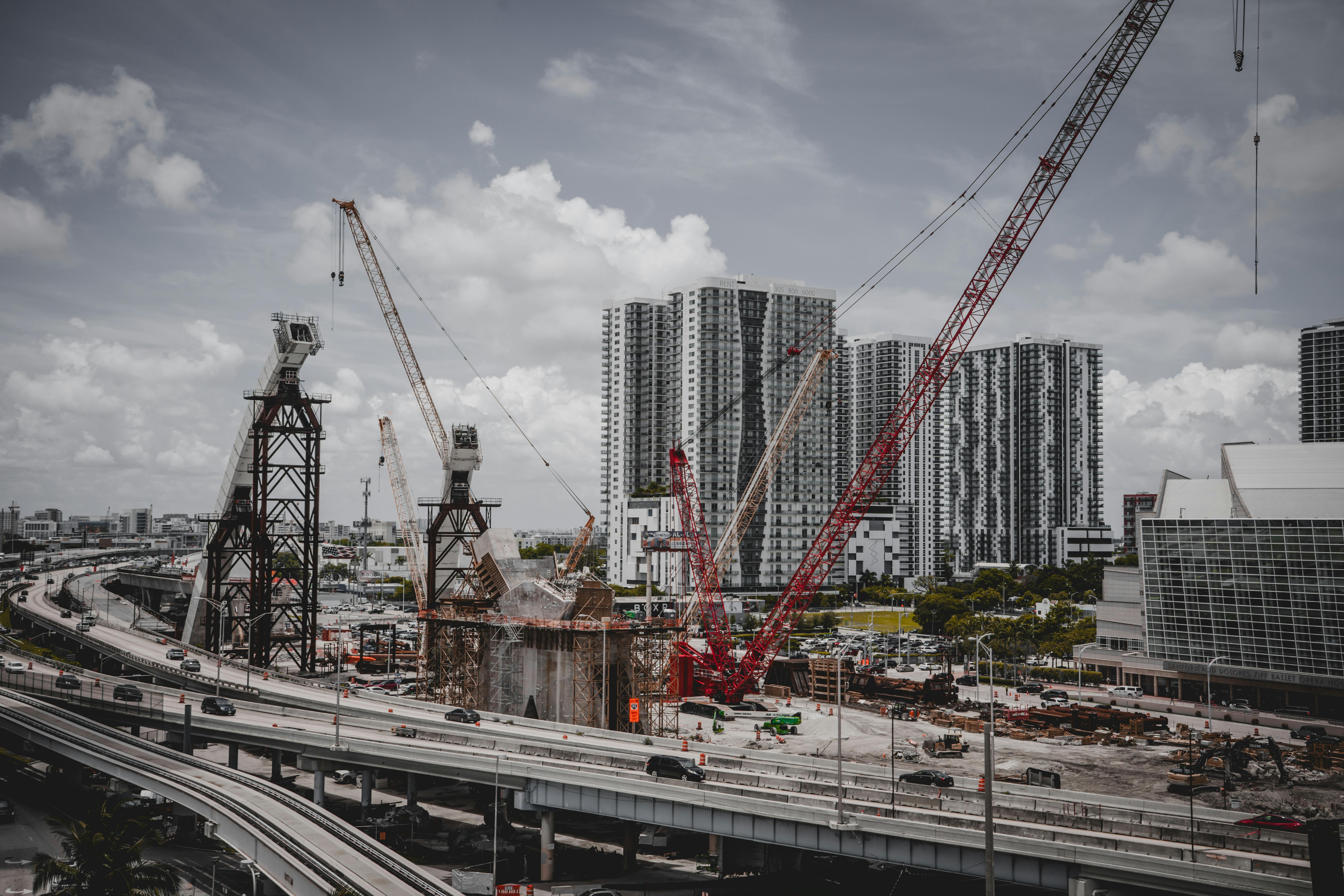
Texas is in the middle of a data center construction explosion.
There are currently 84 operating data centers in the state and over 140 more in the pipeline. Google committed $40 billion to Texas data centers through 2027. Meta is spending $10 billion on a single El Paso facility. Vantage Data Centers announced a $25 billion mega-campus in Shackelford County.
That is an enormous amount of work. And every one of those projects runs on subcontractors — electricians, structural crews, mechanical, fire suppression, low-voltage, concrete, roofing, and dozens of specialty trades that come and go throughout the build.
A large hyperscale data center can have 200 to 400 active subcontractors at peak. That is 200 to 400 COIs to track. 200 to 400 license verifications. 200 to 400 workers' comp policies that could lapse mid-project without anyone noticing.
And in Texas, the consequences of missing even one are more severe than in most states.
Texas is the only state where workers' comp is optional
Every other state requires employers to carry workers' compensation insurance. Texas does not.
Employers can opt out. Some subs do. And when they do, they lose the workers' comp system's damage caps and exclusive-remedy protections — which means their injured workers can sue directly for full damages including pain and suffering.
Here is where it gets complicated for GCs.
If a sub on your Texas data center project opts out of workers' comp and one of their people gets hurt, there is no insurer to absorb the claim. The suit can come at you directly — especially if you had any control over the work conditions where the injury happened.
Under Texas Labor Code § 408.001, a non-subscriber sub loses tort immunity entirely. That means no damage caps, no exclusive remedy shield, and no limit on what a jury can award. A jury in a Texas construction injury case involving a non-subscriber sub can award millions — and you, as the general contractor who authorized that sub to work, are in the line of fire.
This is not theoretical. It is how Texas construction litigation actually plays out.
Real lawsuits from Texas data center and commercial construction
These are not hypotheticals. These are real cases from Texas job sites.
Riera Graterol v. Allison-Smith Company — A subcontractor employee was electrocuted during data center construction in Medina County, Texas. The lawsuit alleged the GC allowed temporary power connections to be installed without proper insulation, resulting in fatal contact with an energized metal surface. Electrical work is one of the highest-risk scopes on any data center build. When a sub cuts corners and someone dies, the GC's authorization of that work is front and center in the litigation.
JLB Builders, LLC v. Jose Hernandez (622 S.W.3d 860, Tex. 2021) — The Texas Supreme Court drew a line on GC liability. GCs owe a duty of care to sub employees only when they retain actual or contractual control over how the work is performed. "General right to order work started or stopped" is not enough. But here is the catch: litigating that distinction costs money whether you win or lose. Defense costs alone on a Texas construction injury case routinely start at $50,000 before you get to trial.
These cases share a pattern. A sub does dangerous work. Something goes wrong. Lawyers look at who authorized the sub, what was on file, and whether the GC exercised any oversight. COI status, license verification, and documented compliance history are all part of that picture.
The subcontractor compliance problem at data center scale
A standard commercial GC manages maybe 20 to 30 active subs at a time. That is already enough to make manual COI tracking a real burden.
A data center project is a different animal.
You have subs coming on and off the project across a build that can run 18 to 36 months. Policies expire mid-project. New subs get added on short notice. Specialty trades that work for a few weeks leave before anyone has confirmed their license is current.
The compliance risk compounds with scale. More subs means more expiration dates to track. More trades means more license types to verify. More contract value means more attractive litigation targets if something goes wrong.
Texas also has teeth on the payment side. Under the Texas Prompt Payment Act (Chapter 28, Texas Property Code), GCs must pay subs within 7 days of receiving owner payment. Late payments trigger 1.5% monthly interest plus attorney fees. Holding payment over a compliance dispute is a legitimate tool — but only if your compliance records are clean enough to justify the hold. If you are withholding payment from a sub and your own COI tracking is a mess, you have a problem on both sides.
What Texas GCs need from every sub — before work starts
This is the minimum compliance checklist for a Texas data center project. Non-negotiable, every sub, every time.
- Certificate of Insurance (ACORD 25) showing general liability coverage — minimum $1M per occurrence / $2M aggregate — with your company listed as additional insured, plus the AI endorsement attached.
- Workers' comp certificate — active policy from a licensed carrier, or documented evidence of non-subscriber status with a Texas Department of Insurance filing. Non-subscriber status is legal in Texas. But you need to know which category each sub is in before they start.
- State trade license — electricians, plumbers, HVAC, fire suppression, and crane operators all require Texas state credentials. Data center projects are dense with licensed-trade work. Verify each one.
- W-9 — required before any payment processes, and a basic confirmation that the sub is a real, registered business entity.
- Expiration dates tracked for all of the above — because a policy that was valid on day one is not automatically valid on month eight.
On a 300-sub project, that is 1,500 or more individual documents to collect, verify, and track renewal dates for. Manually. Unless you have a system.
How Send The Proof handles this at scale
Send The Proof was built for exactly this problem.
Each subcontractor gets a secure upload link. No login required. They upload their COI, their license, their W-9 — or they send the link to their agent, who submits directly. Either way, the document lands in the sub's record with a timestamp.
The system tracks every expiration date across your entire vendor roster. Thirty days before a policy lapses, the sub gets an automatic renewal request. You do not have to remember. You do not have to chase. The system does it.
You see compliance status for every sub at a glance. Compliant. Expiring soon. Blocked. When an owner, risk manager, or attorney asks what was on file and when, you pull the audit trail — a timestamped record of every document, every submission, every reminder sent.
On a Texas data center build with 200 active subs, that is the difference between a compliance program and a spreadsheet that nobody trusts.
The first five vendors are free. The paid plan is $29.95 a month. On a project where a single uninsured-sub incident can trigger a lawsuit with no damages cap, that math is not complicated.
Start free — no credit card, no setup fee for your subs.
Related: the real cost of a lapsed subcontractor COI, how to spot a fake or altered certificate of insurance, and the audit trail feature.